Interview with Desmond

loremfsTIKI TUBE AMPS
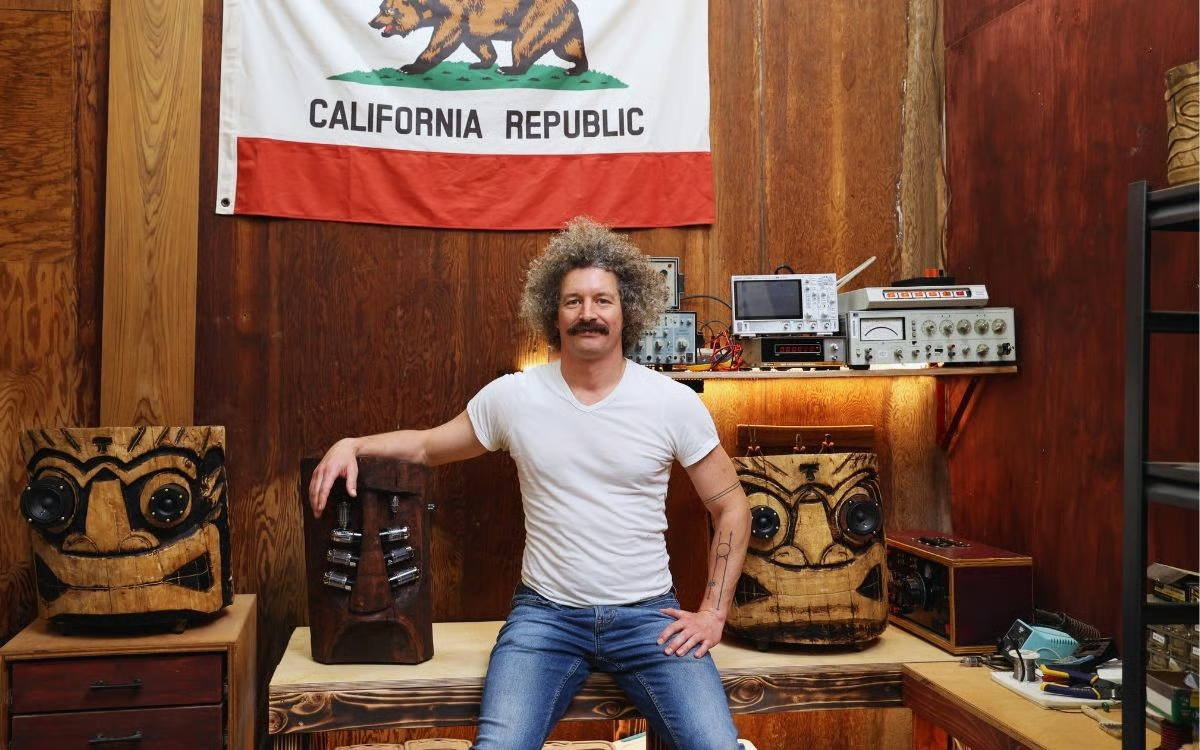
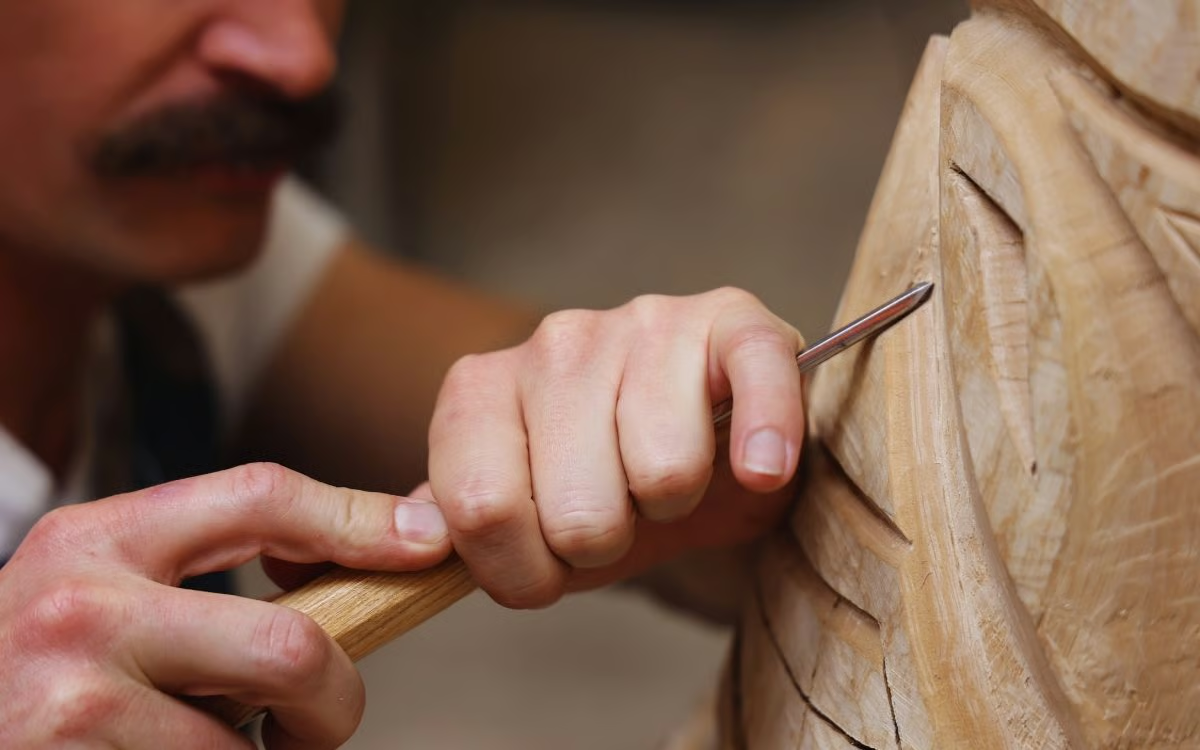
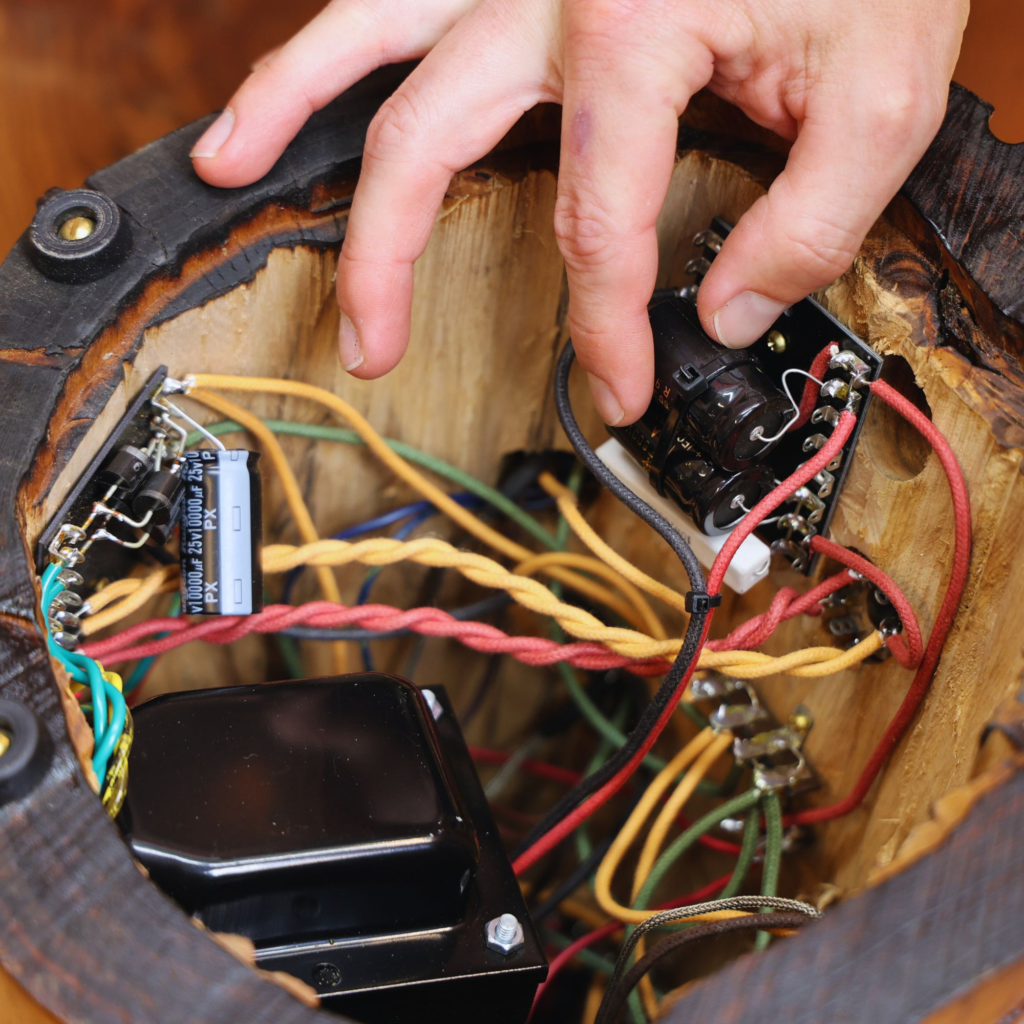
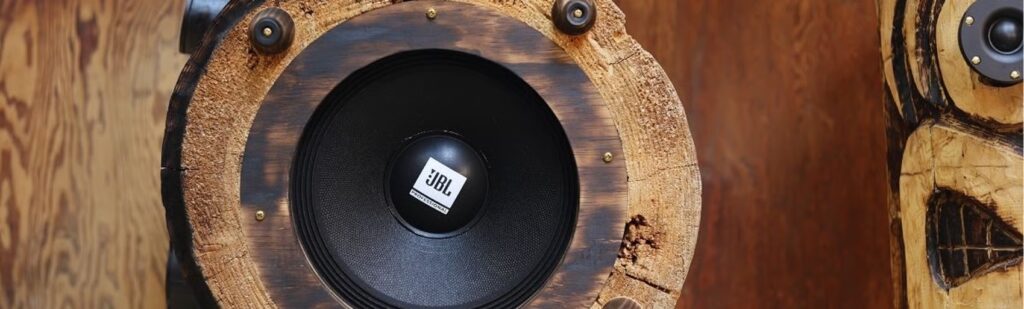
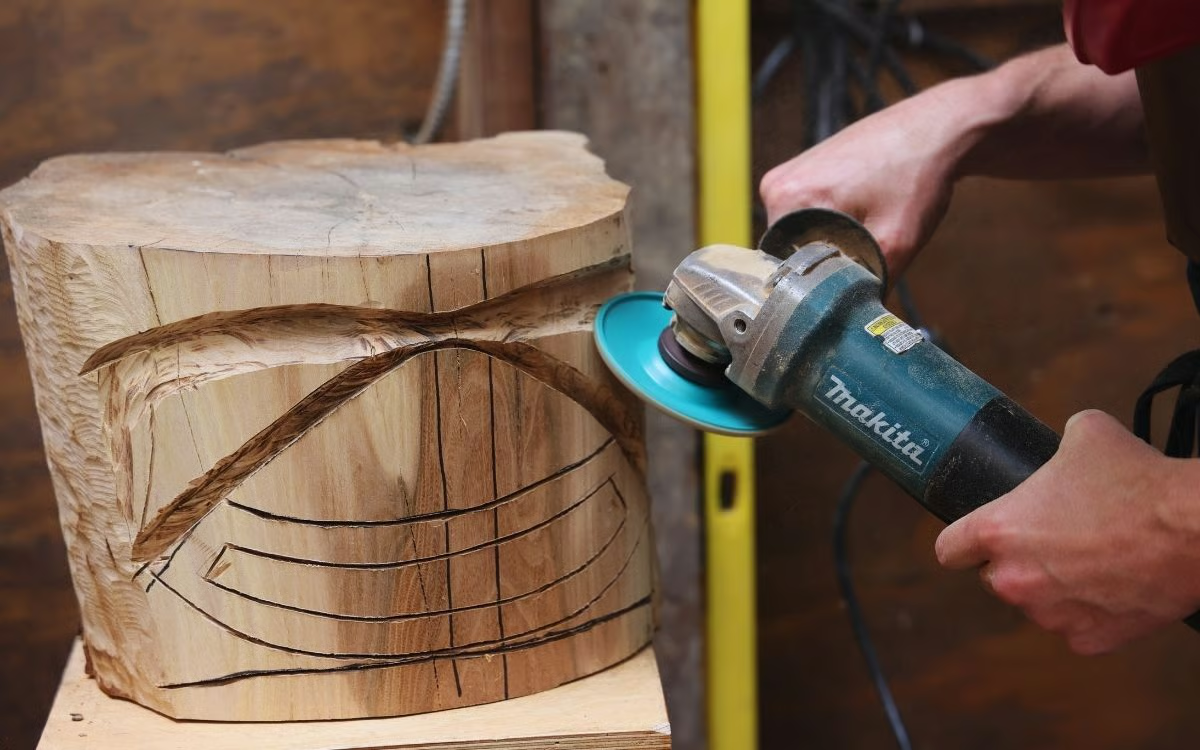
Tiki Tube Amps is the creation of Los Angeles–based artist and engineer Desmond Bowe, who hand-carves one-of-a-kind tube amplifier systems from reclaimed hardwood logs in his open-air Venice Beach studio. Each amp is a fully functional high-fidelity tube stereo and a sculptural work of art—with its own name, face, and personality. Built entirely with point-to-point wiring and premium audio-grade components, Tiki Tube Amps offer minimalist tube circuits that emphasize warmth, detail, and musicality. Power output ranges from 6 to over 25 watts per channel, with options for triode mode, 300B tubes, and custom features like Bluetooth, phono inputs, or tone controls. Each unit can take up to 200 hours to complete, combining audio engineering with whimsical craftsmanship. Prices typically start around $25,000, and lead times range from 3 to 6 months depending on complexity. Tiki Tube Amps are conversation pieces as much as they are serious audio equipment—crafted for those who want their sound system to be as expressive as the music it plays.
Before Tiki Tube Amps, you actually built tube guitar and bass amps, right? How did that start?
Seattle winters. Long, dark, and… a little existential. I played bass and started wondering what made tube amps sound so alive. I picked up a kit, never soldered before, and it blew me away. From there, I started building point-to-point tube amps with a small crew. It was the best kind of education: real-world mistakes, ground loops, clearance issues, blown fuses… Stuff you don’t learn from a schematic.
Why leave that world?
Truthfully? Economics. Musicians want tone, but budgets are tight. “Boutique” is a tough lane to survive in. We hit creative and financial walls, and I pivoted into tech. I learned to code, produced conferences, even ran a podcast. But something was missing.
Let’s jump to the big question: how did Tiki Tube Amps happen?
Boredom. Seriously. I believe boredom is sacred, it’s where your subconscious composts everything you’ve ever seen or heard. One night, I thought: “Tiki heads are cool… What if they lit up?” Neon felt obvious. Tubes felt right. What if I built the stereo inside the sculpture? That idea wouldn’t leave me alone, so I built one. Now I can’t stop.
Were you always the kid who took things apart to see what was inside?
Absolutely. I was the kid opening up Nintendo cartridges and remote controls just to poke around. Most of it didn’t go back together the same way, but I was hooked. That instinct to understand how something’s built? It never left. Even now, I can look at an engine block or a tube circuit and feel the human fingerprints in it.
When you start a new piece, what comes first, the sculpture or the circuit?
It’s a dance. Sometimes a shape demands to exist, and I build the circuitry to fit. Other times, I’m chasing a certain sonic character and the visual form grows around it. The electronics are classic, 60+ years of tube tradition. The art is in how you bring it to life.
Talk us through your hi-fi design philosophy.
Hi-fi should disappear. With guitar amps, you shape tone. But home audio? You should vanish into the music. So I strip it back: minimal parts, direct signal paths, clean power. Simplicity is where the magic lives.
Tube talk: any favorites? What’s your desert-island pick?
I use JJ tubes throughout, they’re workhorses. But for pure sonic beauty? EL34s in triode mode. There’s just something poetic about them. That said, watching a pair of KT-88s glow like golden statues? That’s church. Pure, musical, just… right. I’ll never turn down the visual drama of big 300Bs or KT-88s glowing like little Oscar statues.
You’ve said tech can feel “human” to you. What do you mean?
Nothing exists in a vacuum. Every wire, every capacitor… somebody mined the raw materials, refined them, designed the part, tested it. When I open up a vintage circuit, I’m looking at hundreds of hours of collective human effort. That’s not just engineering, it’s storytelling. I can feel all that work. That’s human.
People always ask: will you ever do a lower-priced, more widely available version?
Sure, and I get it. But these pieces are what they are because of the time and strangeness that goes into them. They’re built by hand, one at a time. Every decision, every imperfection, it’s part of the soul of these one-of-a-kind tikis. If I scaled it, I’d lose that.
Do all future builds have to be literal Tikis? Or is “Tiki” more like an umbrella for hand-built whimsy?
“Tiki” is shorthand for hand-carved joy. They’re not all traditional Tikis. Sometimes they’re modernist, sometimes they look like sacred objects from an imagined past. But they’re always sculptural. If a moss-covered log with tubes wants to exist, who am I to say no?
What’s it like when you send a piece out into the world?
Emotional. I name each one after it’s finished, it’s like they tell me who they are. I’ve even tucked a serial code into a few where I bled on them (yes, it happens). Seeing them out there, glowing in someone’s listening room… it’s like sending a kid off to college. That’s how you live forever.